
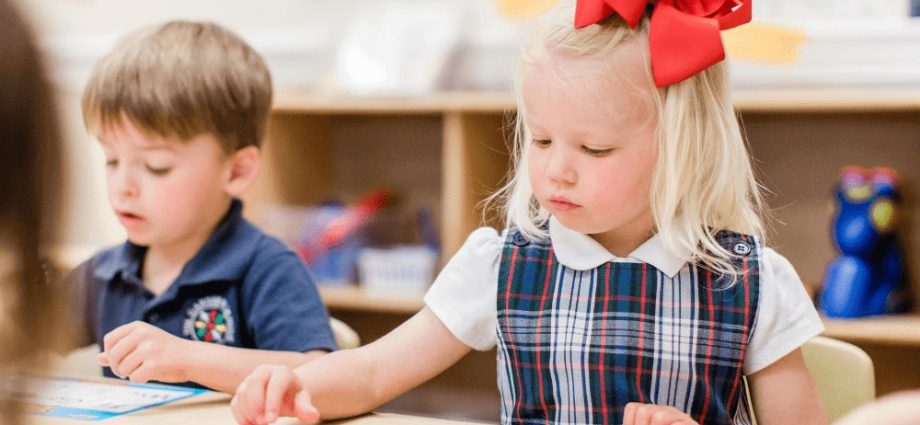
Choosing the right Singapore preschool for your child marks a major step in their early years. Parents want centres that balance fun with solid learning foundations. The best preschools in Singapore focus on play-based methods that build both academic and social skills.
Why Play-Based Learning Matters in Singapore Preschools
Play-based learning sits at the heart of quality early childhood education across Singapore. This approach helps young minds grow through hands-on activities and creative exploration. Children learn best when they feel engaged and curious about the world around them.
Research shows that play-based methods boost brain development in children aged three to six. Kids who attend Singapore preschool programmes with strong play elements often show better problem-solving skills. These children also adapt more easily to formal schooling later on.
The Ministry of Education supports play-based approaches in Singapore’s early childhood centres. This backing means parents can trust that quality preschools follow proven educational methods. Your child gets the best start when learning feels natural and enjoyable.
Building Social Skills Through Preschool Activities
Social skills form the backbone of a child’s future success in school and life. Singapore preschool environments create perfect spaces for children to practise sharing, taking turns, and working together. Group activities teach kids how to communicate their needs and listen to others.
Circle time activities help children learn to focus and follow instructions from teachers. These skills transfer directly to primary school classrooms where attention and listening matter most. Children also learn to express themselves clearly during show-and-tell sessions.
Playground interactions teach conflict resolution in natural ways that stick with children long-term. Kids learn to negotiate, compromise, and solve problems with their peers during free play. These experiences build confidence that serves them well throughout their educational path.
Creative Play Activities That Boost Development
Art and craft sessions in Singapore preschool settings spark imagination whilst building fine motor skills. Children learn to hold pencils properly through drawing and colouring activities. These same skills help with writing letters and numbers as they progress through their education.
Role-playing games allow children to explore different scenarios and build empathy for others. Kids might pretend to be doctors, teachers, or shopkeepers during imaginative play sessions. This type of play helps children understand different perspectives and social roles.
Building blocks and puzzles develop spatial awareness and logical thinking skills in young learners. Children learn to plan, test ideas, and solve problems through these hands-on activities. These thinking skills form the foundation for mathematics and science learning in later years.
How Singapore Preschools Support Language Development
Language skills grow rapidly when children feel comfortable and engaged in their learning environment. Singapore preschool teachers use songs, rhymes, and storytelling to make language learning fun and memorable. Children naturally pick up new words when they hear them in exciting contexts.
Bilingual programmes in many Singapore preschools help children master both English and their mother tongue. This dual-language approach gives kids advantages in communication and cognitive development. Children who learn multiple languages early often show stronger thinking and problem-solving abilities.
Reading corners and library time introduce children to books and stories that expand their vocabulary. Teachers read aloud daily to help children understand story structure and develop listening skills. These activities plant seeds for a lifelong love of reading and learning.
Physical Development Through Active Play
Outdoor play areas in Singapore preschools provide space for children to run, climb, and explore safely. Physical activity helps build strong muscles and bones whilst teaching coordination and balance. Active children also tend to focus better during quiet learning activities.
Dancing and movement games combine fun with physical development in structured ways. Children learn to follow rhythms, coordinate movements, and express themselves through dance. These activities also help kids release energy and feel happier throughout their day.
Sports activities teach teamwork whilst building physical strength and motor skills in young children. Simple games like catching balls or obstacle courses help develop hand-eye coordination. These physical skills support writing, drawing, and other fine motor tasks children need for school success.
Preparing Children for Primary School Success
The transition from Singapore preschool to primary school becomes smoother when children feel confident and ready. Quality preschools gradually introduce more structured learning time alongside free play. This balance helps children adapt to longer periods of focused attention without losing their love of learning.
Pre-writing activities like tracing shapes and patterns prepare little hands for formal writing instruction. Children practise holding pencils correctly and making controlled movements on paper. These skills make the jump to writing letters and numbers feel natural and achievable.
Mathematical concepts emerge through counting games, sorting activities, and pattern recognition during play. Children learn numbers, shapes, and basic addition through fun activities rather than drills. This foundation makes formal mathematics instruction more accessible and less intimidating for young learners.
Choosing a Singapore preschool that values both play and learning sets your child up for success. Look for centres that balance structured activities with free exploration time. The right preschool will nurture your child’s natural curiosity whilst building essential skills for their educational future.